
A surprising number of people try hyperbaric oxygen therapy after hearing about it from a friend, an athlete they follow, or a short clip online. What often comes next is confusion. Clinics look similar on the surface, prices vary wildly, and the promises sometimes sound a bit too polished.
If you are thinking about booking sessions, knowing how to separate a serious hyperbaric oxygen clinic from a questionable one matters more than most people realize. This guide walks through what actually defines a legitimate setup, how to spot red flags early, and what questions are worth asking before you step inside a chamber.
Page Contents
What Makes Hyperbaric Oxygen Therapy Different From Other Wellness Treatments

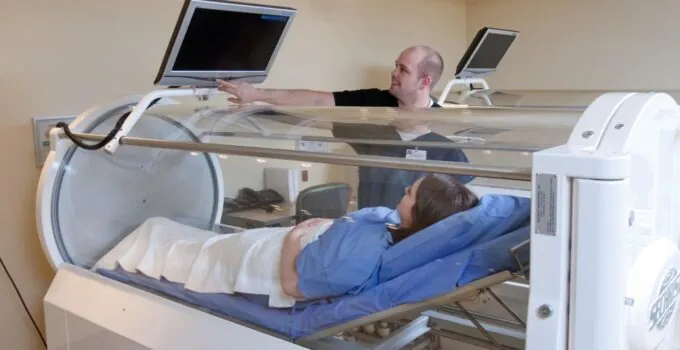
Source: news.christianacare.org
Hyperbaric oxygen therapy is not just another relaxation service. It involves breathing nearly pure oxygen in a pressurized environment, which changes how oxygen dissolves into the bloodstream and reaches tissues. That pressure element is the reason standards matter so much. Unlike massage or infrared sauna, improper equipment or poor protocols can reduce effectiveness or introduce safety concerns.
A legitimate clinic treats hyperbaric oxygen as a medical-grade modality, even when offered in a wellness context. That means trained supervision, defined treatment pressures, and clear screening before sessions begin. Facilities that gloss over these details often lean too heavily on marketing language rather than real operational quality.
Did you know?
Under pressure, oxygen dissolves directly into plasma, not just red blood cells. This allows oxygen to reach areas with limited blood flow, which is why protocols and pressure control are critical.
Clinic Credentials and Why They Are Not Just Paperwork

Source: saintalphonsus.org
In the first third of your research, credentials should already be visible. A serious clinic is transparent about who oversees treatments, what certifications staff hold, and how equipment is maintained. This is especially important if you are searching for an oxygen chamber Los Angeles location, where options range from medical-grade centers to spa-style setups.
Look for clear information about medical direction, even if the clinic operates in a non-hospital environment. Oversight does not always mean a physician is present every minute, but protocols should be approved and staff trained to respond properly. Clinics that hesitate when asked about certifications, pressure ranges, or safety procedures often lack the structure needed for consistent results.
A professional clinic will welcome these questions. They expect informed clients and usually appreciate them.
Understanding Chamber Types and Why It Affects Results
Not all hyperbaric chambers are the same, and this difference matters more than most brochures admit. Soft-shell chambers and hard-shell chambers operate at different pressure levels, which directly affects oxygen delivery. Legitimate clinics clearly explain what type they use and why.
Here is a simple comparison to ground expectations:
| Chamber Type | Typical Pressure Range | Common Use |
| Soft-shell | Lower pressure | Mild wellness support |
| Hard-shell | Higher pressure | Clinical and performance protocols |
A trustworthy provider explains which outcomes align with their equipment rather than claiming one chamber fits every need. They should also explain session length, pressure ramping, and oxygen delivery method in plain language. Vague answers usually indicate shallow expertise.
Safety Protocols That Should Be Non-Negotiable

Source: utmb.edu
Safety is not optional in hyperbaric oxygen therapy. A legitimate clinic has written protocols, clear screening forms, and pre-session checks every time. This includes reviewing medical history, medications, and any recent procedures that could affect pressure tolerance.
Expect staff to ask about sinus issues, lung history, and ear health. These questions are not formalities. They reduce risk and improve comfort during sessions. Clinics that skip screening or rush people straight into chambers are cutting corners.
Important fact: Oxygen under pressure increases fire risk if safety rules are ignored. Legitimate clinics strictly control materials, clothing, and electronics allowed inside chambers.
When a clinic treats safety casually, that is your signal to walk away.
Staff Knowledge and How to Spot Real Experience
Equipment matters, but people matter more. Staff should be able to explain what they are doing and why without relying on scripted phrases. When you ask how protocols are adjusted or how pressure changes feel, answers should sound practiced but natural.
Experienced staff describe sessions in practical terms. They explain sensations, pressure equalization, and what to do if discomfort arises. They also know when to stop or adjust a session rather than pushing through blindly.
One subtle sign of legitimacy is how staff talk about limitations. Real professionals acknowledge that hyperbaric oxygen therapy supports recovery but is not magic. Overconfident claims often signal shallow training.
Treatment Plans That Feel Structured, Not Sales-Driven

Source: unitypoint.org
A legitimate hyperbaric oxygen clinic does not sell sessions like gym memberships without context. Initial consultations should outline goals, estimated session counts, and review points. This does not mean locking you into long packages immediately.
Look for a structure that includes reassessment. Progress should guide continuation, not just prepaid bundles. Clinics focused on long-term trust tend to prioritize education over upselling.
A thoughtful plan often includes:
- Clear session frequency recommendations
- Defined pressure and duration ranges
- Periodic check-ins to reassess response
When a clinic avoids specifics and jumps straight to discounts, caution is warranted.
Cleanliness, Maintenance, and What the Space Tells You
Physical environment communicates a lot. Chambers should look clean, well-maintained, and professionally installed. Maintenance logs should exist, even if you do not see them displayed.
Pay attention to small details. Are staff wiping equipment between sessions? Are seals, hoses, and controls in good condition? Legitimate clinics treat equipment like aircraft, not gym machines.
Cleanliness also extends to air quality, oxygen sources, and storage. Clinics that treat these details seriously tend to treat clients seriously as well.
Questions You Should Feel Comfortable Asking

Source: bangkokhospital.com
Before committing, ask questions openly. Legitimate clinics encourage this. You might ask:
- What pressure ranges do you use and why?
- Who oversees treatment protocols?
- How do you handle discomfort or complications?
If answers feel defensive or vague, trust your instincts. Confidence backed by clarity is hard to fake.
Final Thoughts on Choosing the Right Hyperbaric Oxygen Clinic
Picking a legitimate hyperbaric oxygen clinic is about more than proximity or price. It comes down to professionalism, transparency, and respect for the therapy itself. When equipment is explained clearly, staff communicate openly, and safety is treated as essential rather than optional, you are likely in the right place.
Also real: HBOT at home
Take your time, ask questions, and remember that real quality does not need exaggerated promises. A clinic that focuses on doing things properly will usually show it in every detail, long before you ever step inside the chamber.