
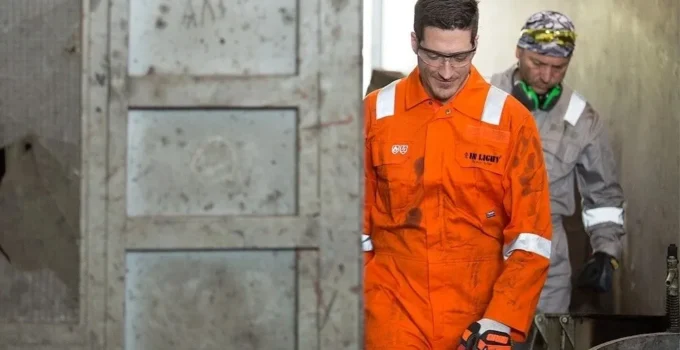
Flame retardant clothing plays a critical role in protecting tradesmen who work in environments where fire, heat, or electrical hazards are part of the job. For many skilled workers, exposure to sparks, open flames, or arc flashes is not an occasional risk but a daily reality. Wearing the correct protective clothing can significantly reduce injury severity and, in some cases, save lives.
What Is Flame Retardant Clothing?
Flame retardant clothing, often referred to as FR clothing, is designed to resist ignition, slow the spread of flames, and self-extinguish when the source of heat is removed. Unlike regular workwear, which can catch fire and continue burning, flame retardant garments are made from specialized fabrics or treated materials that reduce burn injuries.
It is important to understand that flame retardant clothing does not make a tradesman fireproof. Instead, it minimizes the risk of clothing continuing to burn against the skin, which is a major cause of severe injuries in workplace fire incidents.
Trades That Commonly Require Flame Retardant Clothing
Many trades rely on flame retardant clothing due to the nature of their work. Electricians working on live systems face the risk of arc flashes, which can generate intense heat in a fraction of a second. Welders are constantly exposed to sparks, molten metal, and open flames. Oil and gas workers operate in environments where flammable gases and liquids are present.
Other trades such as metal fabricators, mechanics, chemical plant workers, and utility tradesmen may also require FR clothing depending on job conditions. In many cases, safety regulations mandate its use for specific tasks or environments.
View this post on Instagram
How Flame Retardant Fabrics Work
Flame retardant clothing is made in two main ways. Some garments use inherently flame-resistant fibers, meaning the material itself is naturally resistant to fire and will not lose its protective properties over time. Others are treated with flame-retardant chemicals that alter how the fabric reacts when exposed to heat or flame.
Inherently flame-resistant fabrics tend to retain their protection for the life of the garment, even after repeated washing. Treated fabrics remain effective as long as they are properly cared for, but excessive wear or improper laundering can reduce their performance.
Protection Beyond Fire
While flame resistance is the primary function, FR clothing also provides protection against secondary hazards. Many garments offer thermal insulation, reducing heat transfer to the skin during brief exposure. This can help prevent severe burns during flash fire incidents.
Some flame retardant clothing is also designed to be anti-static, which is especially important in environments where static discharge could ignite flammable substances. This added protection is critical in industries such as oil, gas, and chemical processing.
Comfort and Wearability for Tradesmen
Older flame retardant garments were often heavy, stiff, and uncomfortable, leading to resistance from workers. Modern FR clothing is designed with comfort in mind, using lighter fabrics, improved breathability, and better fits.
Tradesmen can now find flame retardant shirts, pants, coveralls, jackets, and even base layers that allow for movement and long hours of wear. Comfortable clothing increases compliance, ensuring workers stay protected throughout their shift.
Proper Use and Layering
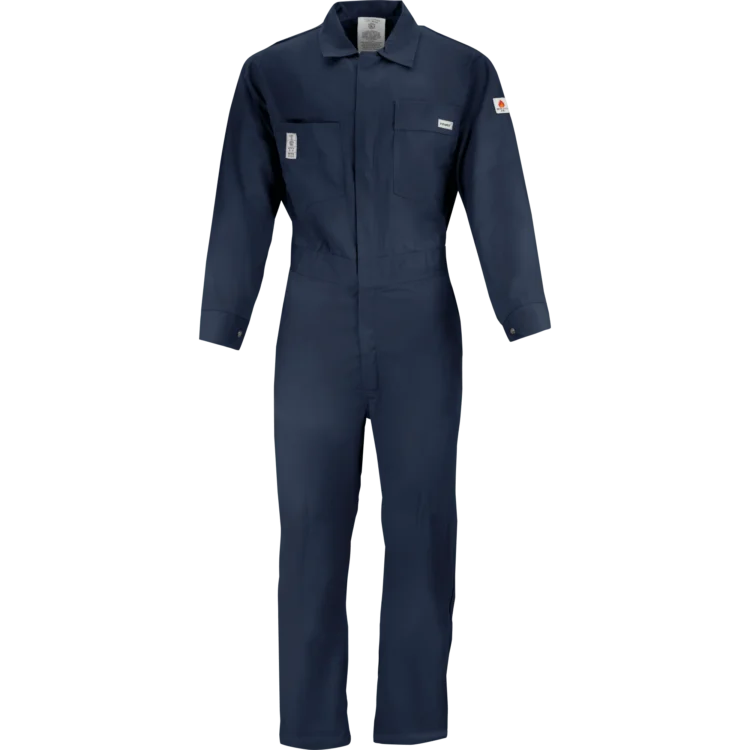
For flame retardant clothing to be effective, it must be worn correctly. Non-FR garments should not be worn over flame retardant clothing, as they can ignite and compromise protection. Layering should always involve flame-resistant materials when working in high-risk environments.
Employers and tradesmen alike should understand that modifying FR clothing, such as rolling sleeves or leaving shirts unbuttoned, can reduce its effectiveness.
Final Thoughts
Flame retardant clothing is an essential safety measure for tradesmen exposed to fire and heat hazards. It provides critical protection that standard workwear cannot offer, reducing injury severity and improving overall workplace safety. By understanding how FR clothing works and when it is required, tradesmen can make informed decisions that protect their health and livelihoods.


